My Daughter-in-Law Never Showed Her Hands or Back – During a Beach Trip, I Found Out Why
Dorcus Osongo
By Dorcus Osongo
Jun 09, 2026
09:56 A.M.
For two summers, Lilian told herself that nobody dressed like Emily did in July unless they had something to hide. Then, on a beach crowded with family and strangers, she learned the secret was not shameful at all — just painful, private, and never hers to uncover.
For two years, my daughter-in-law dressed like every season was late autumn.
In July, when the rest of us sat on the patio in sleeveless dresses and sandals, Emily came to Sunday dinner in long sleeves buttoned to the wrist and high collars that skimmed her throat.
At Christmas, she looked the same as she did in August, only in darker colors. Even at backyard cookouts, with the grill smoking and the air thick enough to drink, she kept herself covered from neck to hands.
At first, I told myself it was a style choice.
By the end of the first summer, I knew it wasn’t.
People reveal themselves in what they avoid. Emily never rolled up her sleeves. Never reached too quickly for anything. When she got nervous, she tucked her hands into the ends of her cuffs like a child hiding inside a sweater.
If a bracelet or watch shifted, she adjusted it at once. If someone suggested the patio over the air-conditioned dining room, she smiled and agreed, but I could see the strain around her mouth by dessert.
“Lilian,” my sister Carol said one Sunday while we stood in my kitchen making potato salad, “if you stare at that girl any harder, she’ll burst into flames.”
I kept chopping celery. “Her sleeve rode up earlier. She nearly jumped out of her skin, pulling it down.”
Carol sighed. “So?”
“So nobody dresses like that in 90-degree weather unless they’re hiding something.”
Carol gave me the look she had been giving me since 1968. “Or unless they don’t want people looking at them.”
“That’s the same thing.”
“No, it isn’t.”
I didn’t answer because I had already decided I was right.
Later that afternoon, Ben caught me watching Emily by the sink as she rinsed plates.
“Mom.”
“I didn’t say a word.”
“You were about to.”
He stood there in his faded college T-shirt, holding a tray of burger buns, looking exhausted before the argument had even started.
“It’s two years, Ben. Two years. I’m not a stranger on the street.”
“Neither is she.”
“Then why does she act like she’s hiding from us?”
His jaw tightened. “Please leave it alone.”
That was all he ever said. Leave it alone.
He walked over to Emily, touched her gently at the waist, and said something that made her smile. But when her eyes lifted and found me watching, the smile disappeared so fast it embarrassed me.
That should have been my warning.
Instead, I went to bed that night, making a list in my head. Scars from an old relationship, self-harm, a tattoo she regretted, some secret past Ben either didn’t know or didn’t want me to know.
My son had married her so quickly. Not recklessly, exactly, but faster than I would have liked. He looked at Emily the way a man looks when he’s already decided. I kept waiting for that certainty to concern him less. It never did.
The beach trip was my idea. I told everyone it was because the whole family needed time together before fall got busy.
That wasn’t a lie. It just wasn’t the whole truth.
The truth was simpler and uglier: people can hide a lot in sweaters and blouses, but not on the beach.
“Mom, you didn’t have to do that,” Ben said when I called to tell him I’d booked a house.
“I wanted to.”
Emily thanked me, too, soft and polite as always. That should have shamed me. It didn’t.
The rental house sat right off the dunes, all weathered gray wood and broad windows facing the water. The minute we arrived, the grandchildren tore through the rooms, screaming over bunk beds and seashell décor.
Ben carried in suitcases two at a time. Carol opened the fridge and announced that whoever had stocked it believed butter was a food group.
Emily disappeared into the back bedroom with her bag.
When she came out 20 minutes later, she was wearing a long white cover-up that fell nearly to her calves, and a beach towel was draped around her shoulders like a shawl.
Ben looked at her for one second too long.
“Ready?” he asked.
She smiled. “Ready.”
We walked down to the beach together, all sunscreen and folding chairs and too many bags. The grandkids ran for the surf. Ben followed them straight into the water. Carol settled under an umbrella with a magazine and a hat the size of a satellite dish.
Emily lowered herself into a chair and opened a paperback.
The towel stayed around her shoulders.
I sat beside her.
For the first half hour, I tried not to speak. The ocean rolled in and out. Children shrieked. Ben tossed a football with my grandson near the shoreline. Emily turned a page, then another, though her eyes didn’t seem to be moving much.
Finally, I said, “You’re not going in?”
She kept her gaze on the book. “I don’t think so.”
“The water’s lovely.”
“I’m happy here.”
I smiled, but there was an edge in it even I could hear. “We came all this way, Emily.”
Her fingers tightened on the paperback.
I lowered my voice. “Two years is a long time to be family and still feel like a stranger.”
Now she looked at me.
“What does that mean?”
“It means you’re always covered. Always careful. Always stepping around something nobody is allowed to mention. Don’t you think maybe it’s time to trust us?”
“Mom,” Ben’s voice called from behind us.
He was already walking up from the water, fast.
I should have stopped. Instead, because I had built two years’ worth of certainty and pride around my suspicions, I pushed harder.
“What are you hiding?” I asked.
Emily stood up so quickly that the chair legs sank into the sand.
“I’m going back to the house.”
“Emily,” Ben said, reaching her just as she turned. “Hey. It’s okay.”
But it was not okay. I could see that even then.
She clutched the towel closer and started toward the path with her head down, taking small, quick steps across the sand.
And then I did something I will regret until the day I die.
I shifted my foot.
Just enough.
The corner of her trailing towel caught beneath my sandal. Emily took one more step before the fabric pulled loose from her shoulders and fell into the sand behind her.
She froze, and I did too.
The wind caught the edge of her cover-up and pressed it briefly against her back before the fabric settled.
And I saw the scars.
Pale, rippling scars spread across the upper half of her back and down both arms, disappearing beneath the swimsuit she’d chosen even for the beach.
The skin on the backs of her hands was marked too, fine and shiny in patches, the kind of scars that had been there for years.
My throat closed.
Ben reached her in two strides, snatched up the towel, and wrapped it around her so quickly it looked practiced.
He turned to me with a face I did not recognize.
“What is wrong with you?”
People nearby had gone silent. A woman walking past with a little boy turned him gently away. Two teenagers by the water looked down at their feet. Emily made one small broken sound and pressed her face into Ben’s chest.
“I didn’t mean,” I began.
“Don’t,” Ben snapped. “Do not say you didn’t mean it.”
He was right. Maybe I hadn’t planned the exact second. But I had wanted something to happen. I had wanted proof. I had wanted her exposed.
Ben guided Emily back toward the house, one arm around her, one hand holding the towel in place like a shield. I stood there on the sand with my foot half buried and every ugly thing inside me suddenly visible.
That night, the house was quiet in a way beach houses are never supposed to be.
The grandchildren had been sent to the movie room with popcorn and strict instructions not to come upstairs. Carol banged cabinets in the kitchen louder than necessary. I sat at the dining table staring at my folded hands.
Ben came down after sunset.
He did not offer me mercy by pretending we could talk around it.
“She was seven,” he said.
I looked up.
“There was a fire in her house. Her mother got her out through a bedroom window, but not before…” He swallowed. “Not before Emily was burned.”
I pressed a hand to my mouth.
“Her back, her arms, the backs of her hands. Multiple surgeries. Skin grafts. Years of it.”
“Oh, Ben.”
He didn’t soften.
“She hates people staring. She hates hot weather because everyone notices what she’s wearing. She hates beaches because there is nowhere to hide without being obvious.”
The shame that had been circling all evening finally landed in full.
“I didn’t know.”
“No,” he said. “Because it wasn’t my story to tell.”
I started crying then, silently at first.
Ben sat across from me, exhausted. “Do you know she bought a swimsuit for this trip?”
I stared at him.
“What?”
He nodded once. “A special one she ordered online and sent back twice because she kept panicking. She told me she thought maybe this would be the week she stopped hiding from family. She said she wanted to do it herself. On her terms.”
The room blurred.
“I took that from her,” I whispered.
“Yes.”
Nothing in his voice was crueler than that simple word.
He rubbed a hand over his face. “She kept asking me whether you would still look at her the same once you knew. I told her my mother was difficult sometimes, but kind where it mattered.”
I flinched like he had struck me.
“Ben, I’m so sorry.”
He looked at me for a long moment. “You were so busy hunting for some dark secret that you never considered the possibility she was just carrying pain.”
After he went upstairs, I stayed at that table listening to the ocean.
I wished I could go back and take the pain and shame I had inflicted on her.
The next morning, I sat alone on the porch with a mug of coffee I never drank.
Emily came out just after eight, wearing a thin sweater despite the heat that was already rising off the boards. She paused when she saw me, like a deer deciding whether to bolt.
“Emily,” I said quietly. “Would you sit with me for a minute? You don’t have to. But if you’ll let me, I’d like to say something.”
She hesitated, then sat on the far end of the bench.
Up close, I could see she hadn’t slept much. Neither had I.
“What I did yesterday was cruel,” I said. “Not curious or clumsy. Cruel. I have told myself for years that being protective of Ben gave me the right to judge you, study you, push at you. It didn’t.”
She kept looking out toward the dunes.
I went on because I owed her the whole truth, not a cleaned-up version that protected my pride.
“I had decided there must be something wrong with you. Something hidden, something dangerous, and something I should uncover. I made up stories because I preferred those to admitting I was simply uncomfortable not knowing everything.”
Emily’s eyes filled, but she still didn’t look at me.
“I practiced what I would say to you,” she whispered. “For weeks.”
My throat tightened.
“I bought a swimsuit. Ben said the color looked nice on me. I stood in front of the mirror in the hotel room yesterday morning and told myself maybe I could do it. Maybe if I just walked down there and took the cover-up off fast…” She laughed once, and it broke halfway through. “I wanted you to know me. I didn’t want you to pity me. I just wanted to stop feeling like the strange woman your son married.”
“You are not strange,” I said. “And I am ashamed I ever made you feel that way.”
Now she looked at me, and there was so much hurt in her face I almost looked away. I made myself hold it.
“The hardest part,” she said softly, “is that I was starting to believe you might love me.”
That undid me. I covered my mouth and started crying in earnest.
“I do,” I said through tears. “I do, Emily. I have just done a terrible job of showing it. Worse than terrible. I have shown the opposite.”
The screen door opened behind us. Ben stepped outside, saw us sitting there, and stopped. His whole body looked braced for impact.
Emily reached for his hand when he came over.
I wiped my face and turned to both of them.
“I do not expect forgiveness quickly,” I said. “Or at all, if that’s what this becomes. But I will spend whatever time you allow me proving I can do better than what I did yesterday.”
Ben’s expression softened only a fraction.
Emily was the one who surprised me.
She said, “I don’t need you to fix it today. I just need you not to pretend it wasn’t what it was.”
“It was cruel,” I said at once. “And invasive. And unforgivable if that’s what you decide.”
She nodded, as if that answer mattered.
The rest of the trip was careful. But something real had entered the room at last, and real things, even painful ones, are better than suspicion.
On the final evening, Emily came down to dinner in a short-sleeved blouse the color of pale butter.
For one awful second, I worried she’d done it for me, out of pressure or politeness.
Then I saw the way Ben looked at her and understood: this was her choice. Not mine. Not ours. Hers.
I kept my eyes where they should be, on her face, on the bread basket I was passing her, on the salad tongs, and on being normal.
“More corn?” I asked.
She smiled, small but genuine. “Please.”
Carol, God bless her, carried on about the neighbors back home, repainting their shutters the wrong shade of blue. The grandchildren argued over dessert.
Ben reached for Emily’s hand under the table and didn’t bother hiding it.
And for the first time in two years, I stopped searching Emily for evidence of some hidden flaw.
There had never been anything wrong with her.
There had only been something wrong with the way I needed answers I had not earned.
When we got home, Emily came to Sunday dinner again. Still in short sleeves. Not every week, not all at once, but sometimes. Enough to tell me she was deciding for herself how visible she wanted to be.
That was the lesson, I think. Not that I finally learned her secret. But that I had no right to it until she chose to share it.
I spent two years looking at my daughter-in-law and imagining darkness.
All I ever found, when the truth finally came out, was pain she had survived with more grace than I had ever shown her.
And from then on, when Emily reached across my table, and her scars caught the light, I did the only decent thing left to do.
I looked at her eyes, smiled, and passed the bread.
Now, the difficult question remaining is: When a private wound is exposed before someone is ready, is an apology enough, or does that kind of betrayal change the relationship forever?
If you enjoyed this story, here is another one you might like: After losing her son, Daniel, in a tragic accident, Janet finds herself drowning in grief and memories of the home they once shared. But when her daughter-in-law, Grace, abruptly shows up and forces her to leave, Janet is devastated.

- Mothers With Will
- Women With Will
- News
- Celebrity
- Real Life
- Latest
- Trends
- Terms of use
- Privacy Policy
- Notice at collection
- Main Guidelines
- About us
- Contact us
- Advertise with us
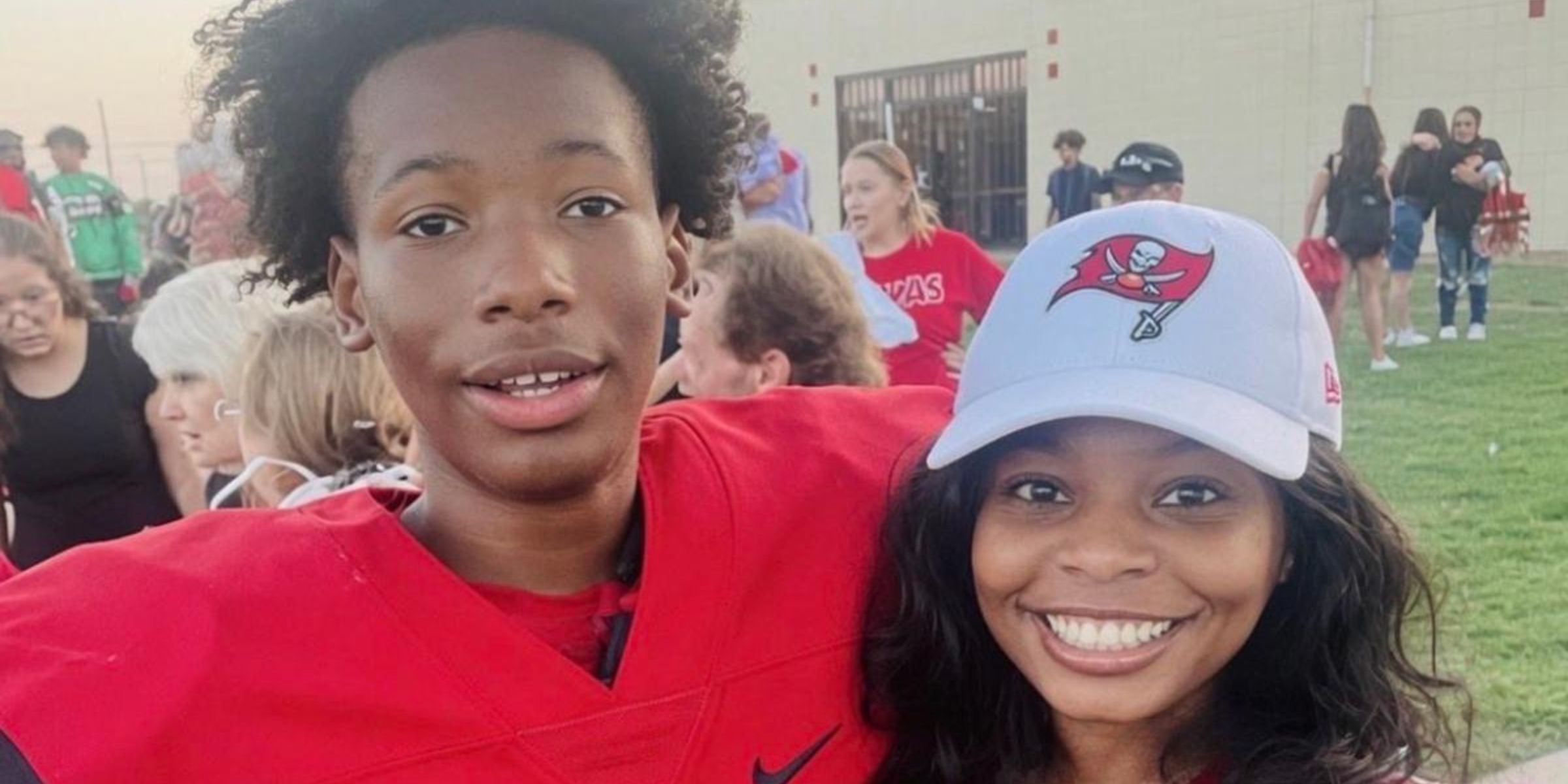
Karmelo Anthony with his mom Kayla Hayes | Source: X/nypost
Karmelo Anthony’s Mother Ignites Buzz with Rare Statement on Legal Drama
Jun 10, 2026
08:51 A.M.Share
A mother’s three-word plea to a Texas jury came only after a verdict she had spent over a year dreading, and the words she chose said everything about what was at stake for her family.
Advertisement
Kayla Hayes stood before jurors on June 9, 2026, not as a spectator but as the first witness called during the sentencing phase of her son’s murder trial.
Her testimony came just minutes after Karmelo Anthony, 19, was found guilty of killing 17-year-old Austin Metcalf — a verdict that set off a chain of emotional moments inside the Collin County Courthouse that neither family will soon forget.
The conviction closed a chapter that began at a high school track meet more than a year earlier and had since consumed two families, an entire community, and a national conversation about race, self-defense, and accountability.
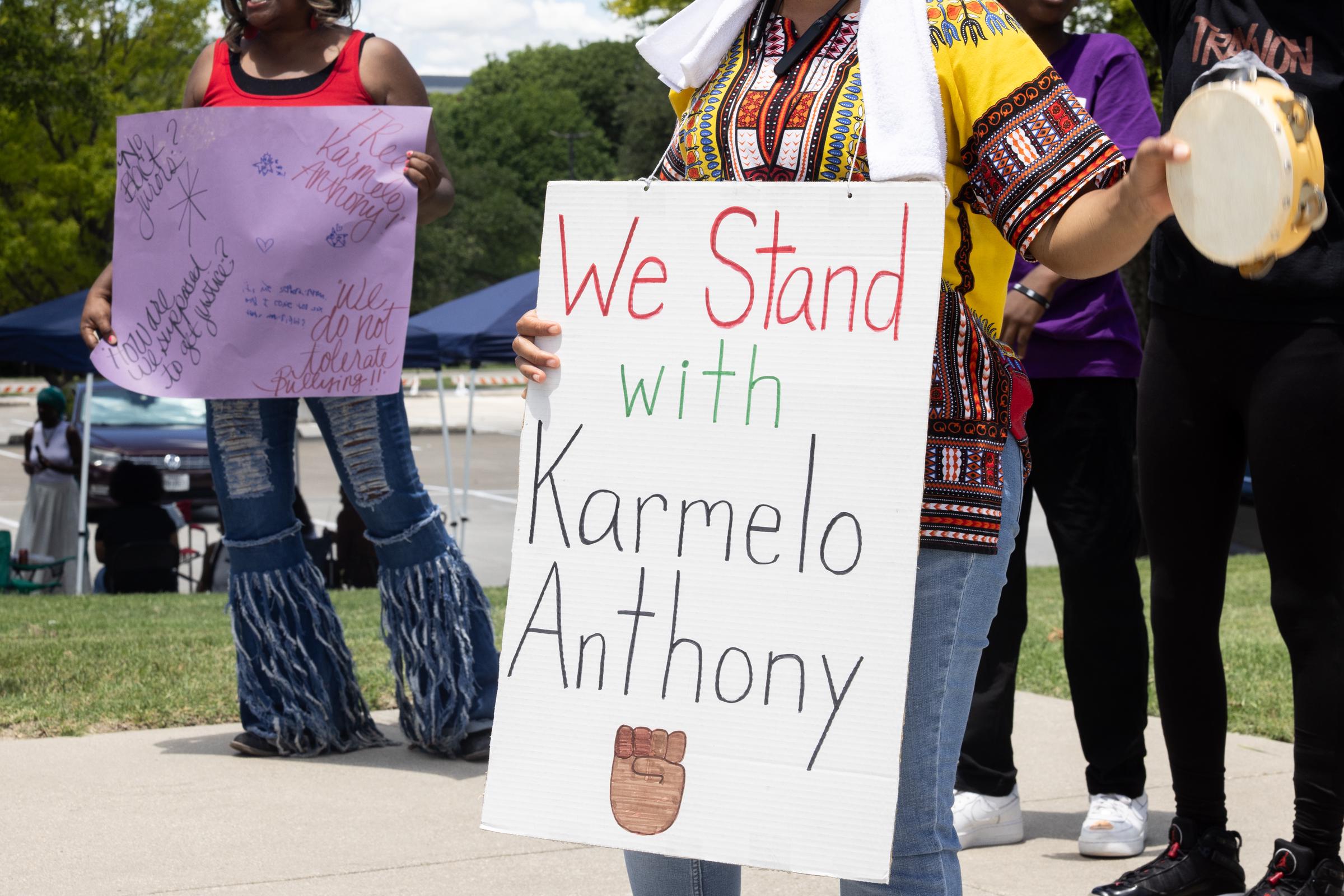
Supporters of Karmelo Anthony chant outside of the Collin County Courthouse as Anthony’s murder trial is underway in McKinney, Texas, on June 6, 2026 | Source: Getty Images
Advertisement
A Mother Takes the Stand
During the sentencing phase, both sides chose to forgo opening remarks, and the prosecution quickly rested its case. The defense then called Kayla to testify.
On the stand, she explained that Karmelo is her firstborn — “He’ll always be my baby. I love him very much,” — and assured the jury that her son deeply regretted his actions. “I know my son, and he’s very sorry for what he did,” she said.
When defense attorney Mike Howard asked if she had any final words for the jury, Hayes spoke without pause: “Please have mercy on my son.” Her plea came in a courtroom still reeling from the guilty verdict delivered only moments earlier.
Advertisement
What Led to the Verdict
The jury’s decision followed days of testimony about a confrontation that witnesses described as entirely of Karmelo’s making. Multiple students from Memorial High School testified that Karmelo entered their team’s tent to escape the rain and refused repeated requests to leave.
As tensions rose, Karmelo taunted Austin Metcalf, warning him, “Touch me and see what happens.” Witnesses testified that he kept one hand inside his backpack and hinted he had something hidden there.
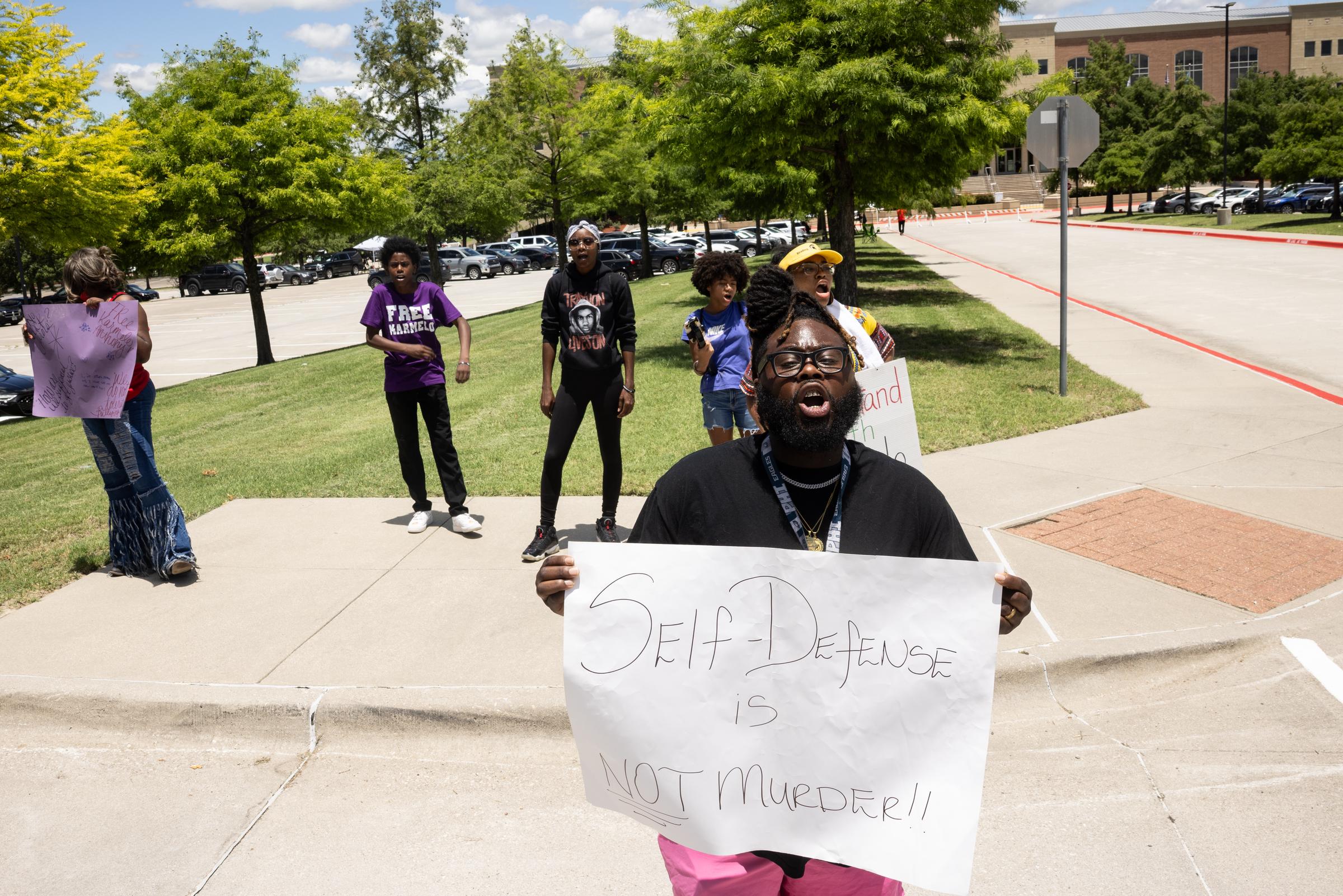
Karmelo Anthony’s extended family member Michael Wilson and other supporters of Karmelo chant outside of the Collin County Courthouse as Anthony’s murder trial is underway in McKinney, Texas, on June 6, 2026 | Source: Getty Images
Advertisement
When Austin eventually shoved Karmelo’s shoulders, Karmelo stood and stabbed him in the chest. Jurors rejected Karmelo’s self-defense claim and found him guilty of murder.
The guilty verdict set the stage for an equally charged sentencing phase — one that included not only Kayla’s testimony, but a victim impact statement from Austin’s twin brother and a final jury deliberation that determined exactly how many years Karmelo would spend behind bars.
Advertisement
The Trial, the Verdict, and the 35-Year Sentence
A Texas jury reached a major decision in the case against Karmelo Anthony for the death of Austin Metcalf. The ruling came after jurors rejected a self-defense claim and declined to find that the killing occurred under what Texas law calls “sudden passion.”
Was Karmelo Anthony acting in self-defense, or did prosecutors prove that his use of force was not legally justified? That question sat at the center of a trial at the Collin County Courthouse, where jurors ultimately convicted him of murder, rejected a request for a reduced sentence, and sentenced him to 35 years in prison.

The jury’s decision marked a major milestone in the case surrounding the death of Frisco student Austin Metcalf. | Source: Getty Images
Advertisement
Jurors spent less than three hours deliberating after hearing sharply different accounts of the confrontation that took place during a high school track meet on April 2, 2025.
According to NBC DFW, Karmelo admitted to fatally stabbing Frisco student Austin Metcalf during the encounter. Karmelo and Austin were both 17 years old at the time. Karmelo is now 19.
Before the jury began deliberating, prosecutors and defense attorneys spent the trial’s final hours presenting competing explanations for what happened and whether Karmelo’s actions were legally justified.
Advertisement
The Decision That Shaped What Jurors Could Consider
The final day of the trial began shortly after 9:15 a.m. on Tuesday, June 9, 2026, with a dispute over what jurors would be allowed to consider.
Judge John Roach addressed proposed jury instructions, including a legal doctrine known as “provoking the difficulty.” The doctrine can limit a self-defense claim if jurors conclude that a defendant intentionally provoked a confrontation.
Defense attorney Mike Howard objected to including that instruction, but Judge Roach denied the request and allowed it to remain in the jury charge.
The judge also declined to include criminally negligent homicide as a possible verdict. He did, however, approve manslaughter as a lesser included offense.
Advertisement
Three Paths Were Left on the Verdict Form
Shortly before 9:30 a.m., Judge Roach explained that jurors would choose between three outcomes: murder, manslaughter, or not guilty.
Karmelo had pleaded not guilty to murder, and the judge reminded jurors that he was presumed innocent unless prosecutors proved the charge beyond a reasonable doubt.
Judge Roach also told jurors to consider Karmelo’s self-defense claim and whether he had forfeited that defense by provoking the confrontation.
The difference between the possible verdicts was significant. A murder conviction carried a punishment range of five to 99 years in prison, while manslaughter carried a possible sentence of two to 20 years.
Advertisement
Howard Asked Jurors to Focus on One Critical Moment
At 9:56 a.m., Howard began his closing argument by asking jurors to focus on what Karmelo believed in the moments before the stabbing.
Howard argued that Austin had the right to ask Karmelo to leave the Memorial High School tent, but did not have the legal right to use force against him.
“The government wants this case to be about, ‘Melo could have just left,'” Howard told jurors. “Sure, he could have. I’m sure he wishes he did.”
From there, Howard framed the confrontation as a fast-moving encounter in which Karmelo believed he was cornered. He pointed to testimony that Karmelo remained seated while Austin and others stood over him inside the tent.
Howard also emphasized testimony that Karmelo repeatedly warned others not to touch him.
“If I look at you and repeatedly tell you, ‘Don’t touch me, I have something in my bag,’ That is the ultimate warning to back off,” Howard argued.
Advertisement
Howard argued that Karmelo believed he was defending himself during the confrontation. “There is no evidence Karmelo did anything but really think he was defending himself in that split second of chaos,” Howard told jurors.
He also pointed to Karmelo’s actions after the stabbing, including testimony that he appeared emotional and asked whether Austin would be okay.
Advertisement
Prosecutors Argued One Detail Changed Everything
At 10:18 a.m., prosecutor Bill Wirskye presented the state’s response and urged jurors not to accept the defense’s framing. “Do not let them turn a threat into a warning,” Wirskye told jurors.
Wirskye argued that Karmelo brought a hidden knife to the track meet and used deadly force in a confrontation that did not justify it.
“He took a knife to a track meet,” Wirskye said. “He had a secret, he kept it hidden… He was the only one with a knife that day. He was always going to come out on top that day.”
According to FOX 4 News, Wirskye described the case as a “provoked, unjustified murder.” He argued that Karmelo entered a closed team tent and carried out what he described as a “sneak attack” before fleeing.
Wirskye also questioned why Karmelo did not leave the tent before the encounter escalated. “You don’t get to meet a shove with a stab, especially if you provoke the shove,” he argued.
Advertisement
The prosecutor told jurors that the case was not about race and did not involve lawful self-defense. He argued that the evidence supported the state’s version of events and concluded, “Ultimately, this case is about accountability,” Wirskye said.
By Late Morning, the Case Was in the Jury’s Hands
Advertisement
At 10:50 a.m., jurors left the courtroom to begin deliberating. Their task was to decide whether prosecutors had proved murder, whether the lesser offense of manslaughter applied, or whether Karmelo should be found not guilty.
By early afternoon, the courtroom began filling again as the parties prepared for the jury’s return.
Both Families Returned as a Decision Drew Near
At approximately 2:14 p.m., Karmelo and his attorneys came back into the courtroom.
According to NBC DFW, Karmelo’s mother appeared to have been crying while waiting in a nearby room. Karmelo sat with his legal team as the court prepared to receive the verdict.
A short time later, Austin’s twin brother, Hunter Metcalf, entered the courtroom and took a seat with his parents, Jeff and Meagan Metcalf.
Advertisement
After Hours of Waiting, the Jury Returned
Shortly before 2:30 p.m., the jury returned with its decision. After less than three hours of deliberations, jurors found Karmelo guilty of murder.
Karmelo reportedly showed little visible reaction as the verdict was read. His mother wept in the gallery, while supporters also appeared emotional.
Across the courtroom, Hunter leaned forward in his seat as the verdict was announced. The case then moved immediately into sentencing.
Advertisement
Even After the Verdict, Another Question Remained
Although Karmelo had been convicted of murder, the sentence still depended on another legal question.
The defense argued that the offense was committed under what Texas law calls “sudden passion.” If jurors agreed, the punishment range would drop from five to 99 years to between two and 20 years.
Prosecutors argued that the standard did not apply. During sentencing arguments, Wirskye told jurors that sudden passion must arise directly from provocation by the person who was killed.
The state maintained that Karmelo, not Austin, provoked the confrontation. At 4:40 p.m., jurors left the courtroom again to deliberate Karmelo’s sentence.
Advertisement
One Statement Became the Day’s Most Emotional Moment
Before the court proceedings concluded, Austin’s twin brother delivered one of the day’s most emotional victim impact statements.
Hunter asked Karmelo to look up and meet his gaze. Karmelo, who had been looking down during the statements, complied.
“You took a son, a brother, a friend, and my best friend, from this world,” Hunter told him. “You took someone from me who was supposed to be an uncle, godfather to my kids. Now I want everything taken from you.”
Advertisement
Hunter said he had spent the past year trying to learn to forgive and understand why his brother had to die. He also said he wakes up each day knowing he can no longer speak with Austin.
Hunter told Karmelo that his mother still cries herself to sleep. After finishing his statement, he stepped down from the witness stand and embraced friends.
Advertisement
The Jury’s Final Decision Came Hours Later
At 7:30 p.m., jurors returned to the courtroom for the final decision of the day.
Judge Roach announced that the jury had rejected Karmelo’s sudden-passion claim. Jurors found that Austin’s death did not occur under the immediate influence of sudden passion arising from adequate cause.
They then sentenced Karmelo to 35 years in state prison. Under Texas law, Karmelo must serve at least half of that sentence before becoming eligible for parole.
Moments before the sentence was read, Karmelo appeared to be sobbing while members of his defense team comforted him.
According to courtroom sketch artist Pat Lopez, Karmelo later glanced toward his parents and mouthed the words, “I’m sorry,” before leaving the courtroom. Judge Roach then ordered that Karmelo be taken into custody.
With the courtroom proceedings complete, attention turns back to the confrontation at a Frisco track meet that prosecutors and defense attorneys spent months dissecting before a jury.
Advertisement
Advertisement
The Fatal Altercation
On Wednesday, April 2, 2025, the bleachers at Kuykendall Stadium in Frisco, Texas, were filled with students competing in the 11-5A district track meet. The event brought together more than a hundred student-athletes from eight Frisco Independent School District high schools, including Memorial High School and Centennial High School.
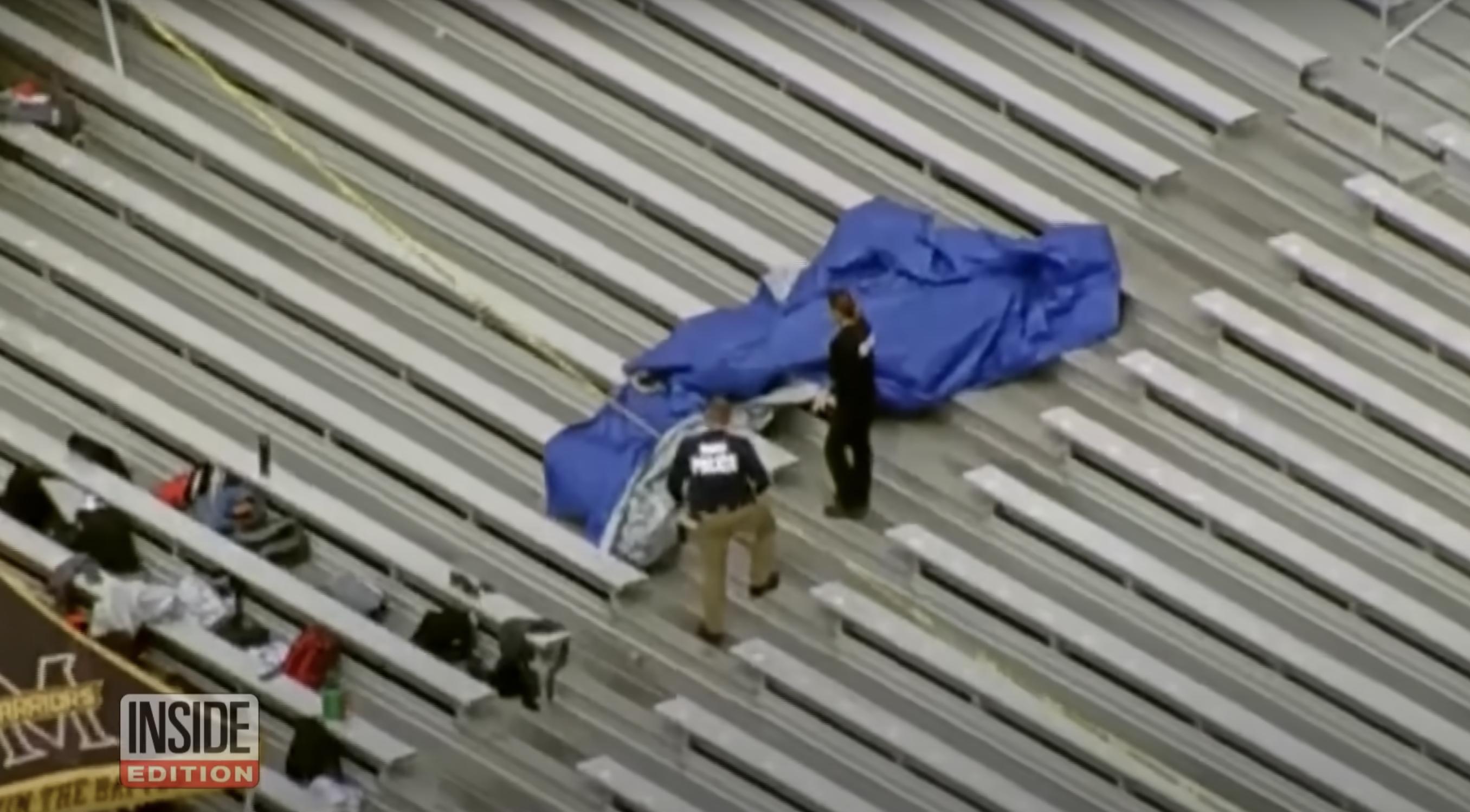
The bleachers at Kuykendall Stadium, where Austin Metcalf was stabbed dated, April 9, 2025 | Source: YouTube/@InsideEdition
Under the tent reserved for Memorial High athletes, an interaction began between Austin, a junior at Memorial, and Karmelo, a student from Centennial. Witnesses told police that Karmelo, dressed in a Centennial tracksuit, sat in the wrong tent, and Austin told him to leave.
Advertisement
According to the police report, Karmelo opened his bag and said, “Touch me and see what happens.” Statements from multiple students indicated that Austin either touched or attempted to move Karmelo. In the next moment, Karmelo allegedly pulled a knife from his bag and stabbed Austin once in the chest.

The track field at Kuykendall Stadium dated, April 9, 2025 | Source: YouTube/@InsideEdition
Witnesses said he then fled from the tent area. A black knife with blood on it was later recovered by officers in the bleachers. Coaches and certified athletic trainers responded immediately, performing CPR and administering blood while waiting for emergency services.
Advertisement
Austin was transported to a nearby hospital, where he was pronounced dead at 10:53 a.m. According to the official arrest report, the entire altercation, from the verbal exchange to the stabbing, lasted less than 30 seconds.
Police noted that more than 30 students and half a dozen coaches from five schools were listed as witnesses, many of whom provided statements on-site.
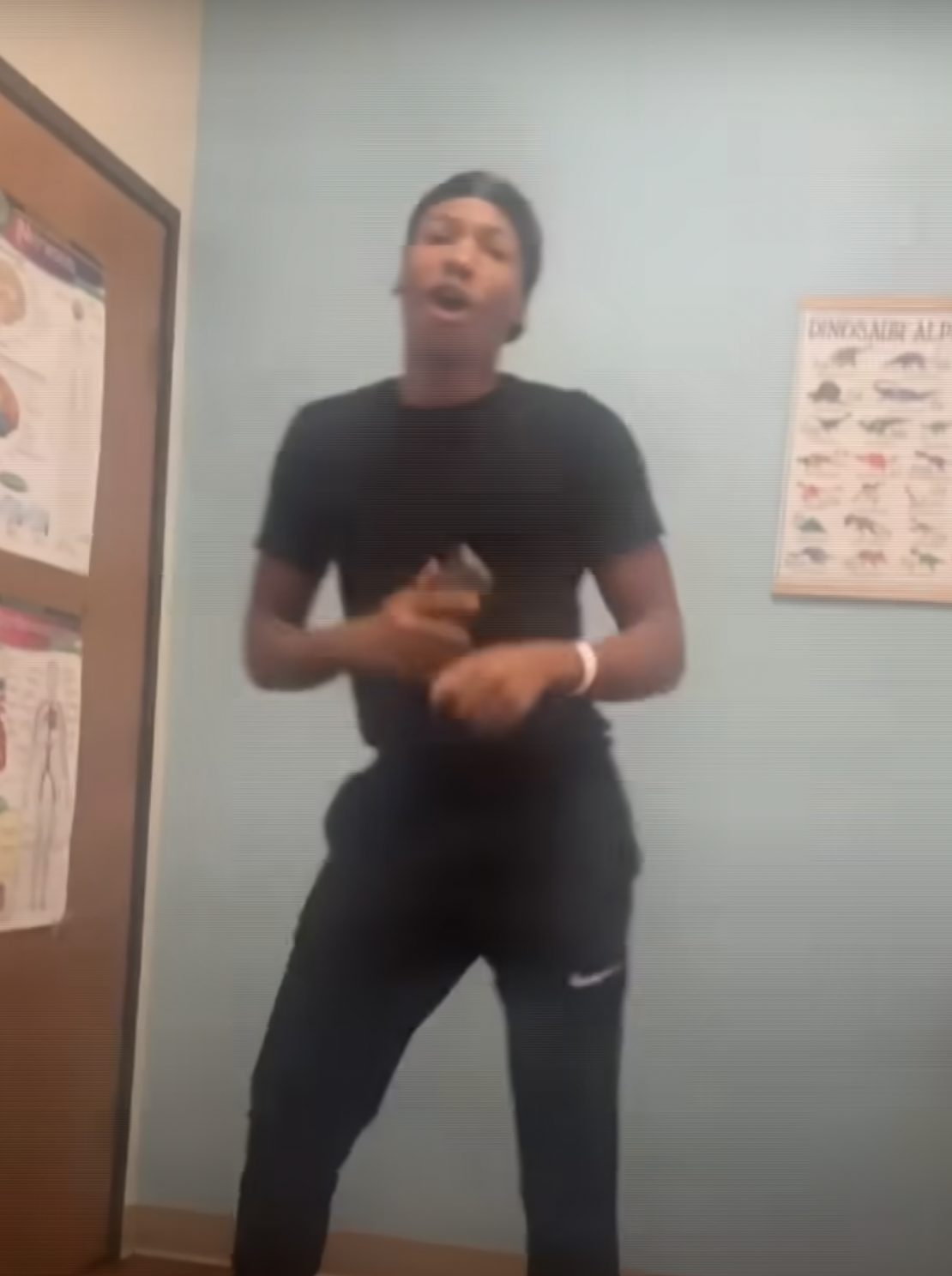
Karmelo Anthony, the alleged stabber, dated April 9, 2025 | Source: YouTube/@InsideEdition
The Arrest and Suspect’s Statements to Police
Minutes after the stabbing, a Frisco school resource officer located Karmelo near the stadium. He matched the descriptions provided by several student witnesses. According to the police report, officers noted blood on his left middle finger and ordered him to raise his hands. He complied.
Advertisement
Before officers asked any questions, Karmelo began making spontaneous statements. “I was protecting myself,” he said. When one officer radioed that he had the alleged suspect, Karmelo reportedly responded, “I’m not alleged, I did it.”
As he walked to a patrol car, he added, “He put his hands on me. I told him not to.” Witnesses at the scene described him as “crying hysterically.” Officers described him as visibly shaken during the arrest. Once in the back seat of the squad car, Karmelo asked if the victim was “going to be OK.”
Advertisement
He then asked officers if the stabbing could be considered “self-defense.” Another officer reported that Karmelo appeared emotional throughout the interaction and repeated several of these statements without being prompted. He was transported to the Frisco City Jail and later transferred to the Collin County Jail.
The Family’s Immediate Response
Austin’s mother, Meagan, was at work in Grapevine when she received a phone call from Hunter. “He was screaming that Austin had been stabbed,” she said in a televised interview. She drove straight to the hospital and arrived before the ambulance.
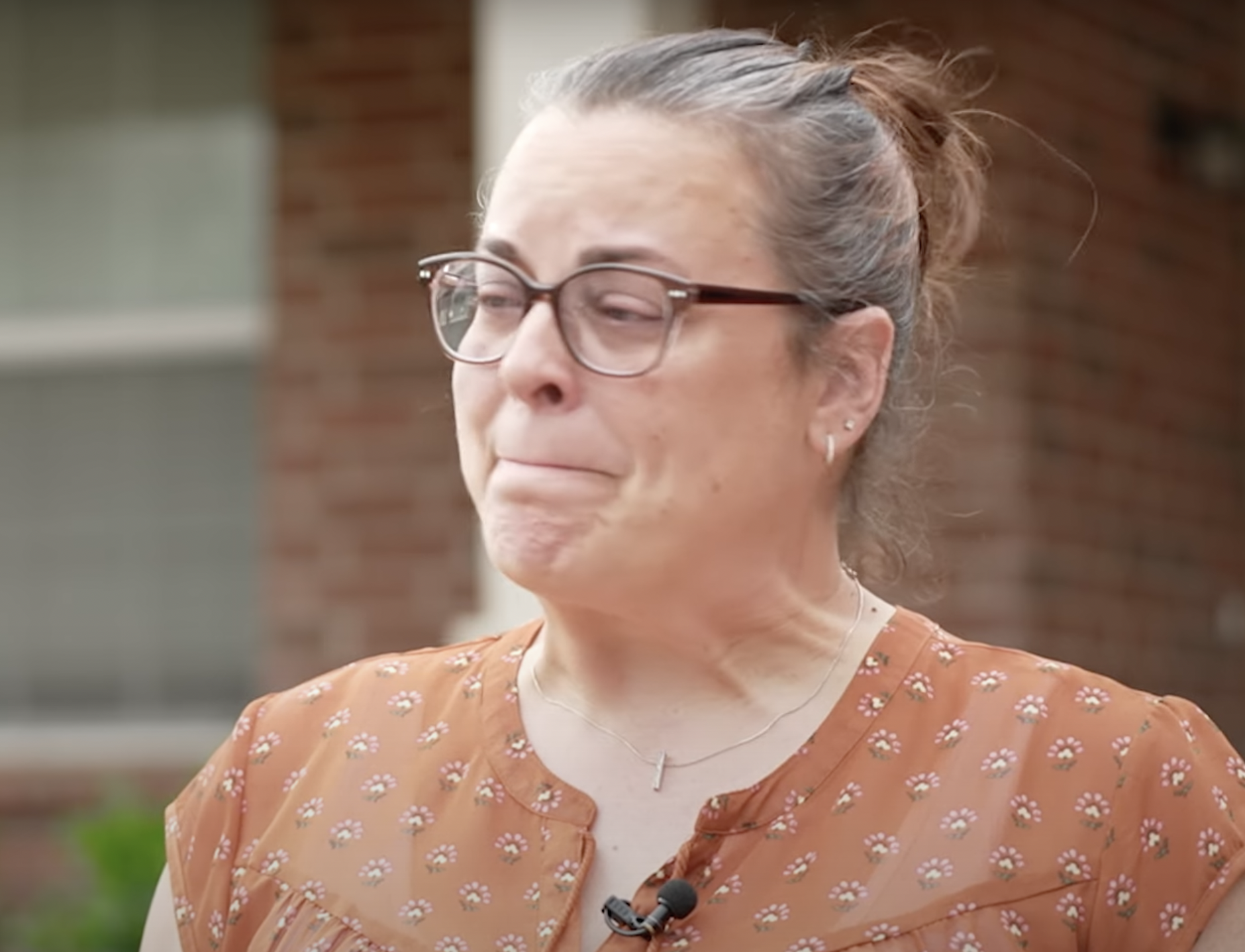
Meagan Metcalf speaks during an interview, dated on April 3, 2025 | Source: YouTube/wfaa
Advertisement
“I saw them have him come out,” she recalled. “He was on a lot of machines, and it didn’t take long for them to come in to say that he had passed.” Her husband, Jeff, said Hunter had witnessed the stabbing and tried to save his brother’s life.
“[Hunter] was holding his hands on the hole trying to save his life,” Jeff told CBS News Texas. “He told me, ‘I looked at him, his eyes — he was gone, he wasn’t breathing.'” According to Meagan, CPR was performed after Austin was unresponsive for about five minutes.
“They were able to revive him a little, but I think it was just,[..] too little too late,” she said. In an interview, Hunter also described what he saw.
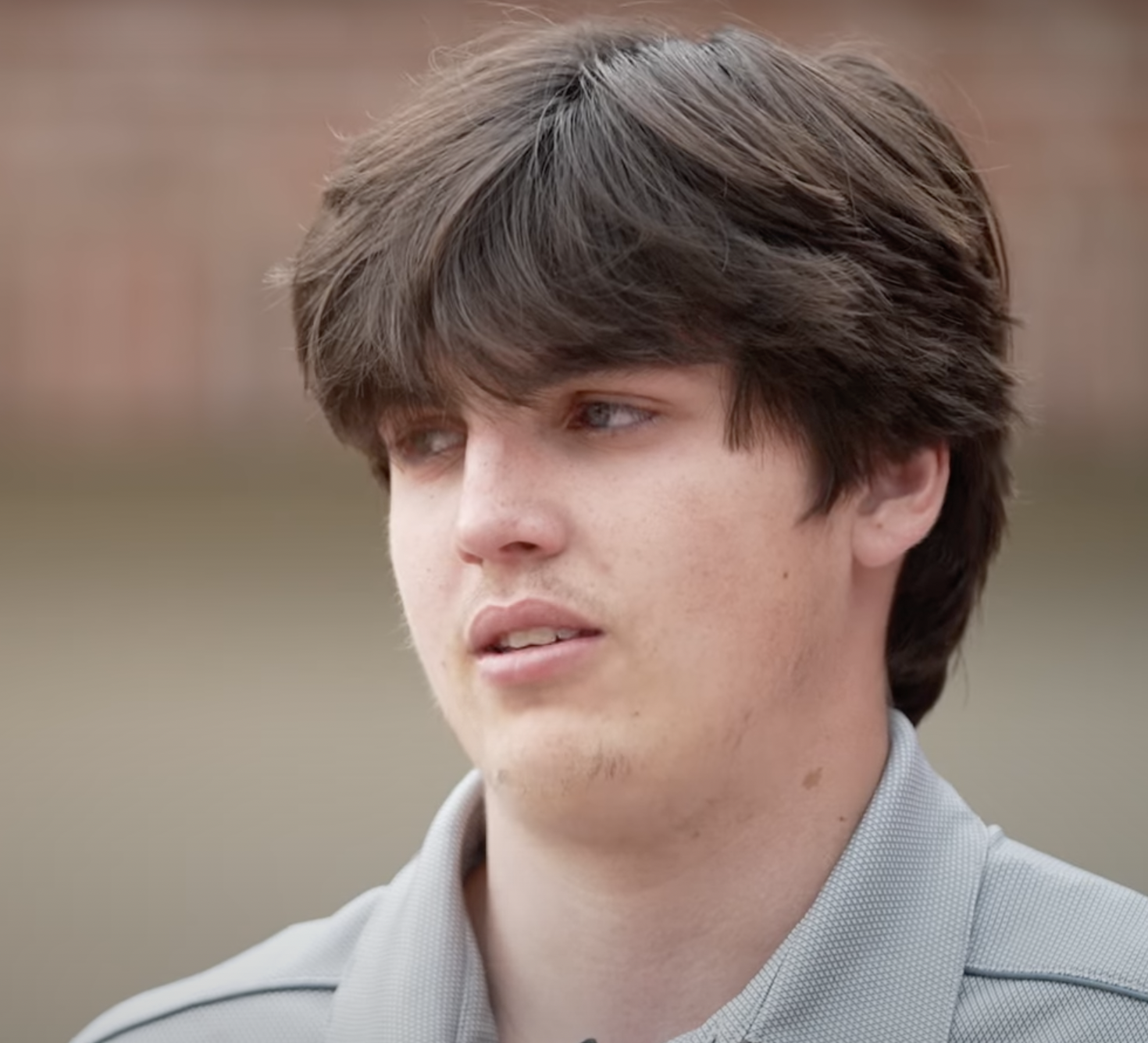
Hunter Metcalf remembers his twin brother as a good kid, dated on April 3, 2025 | Source: YouTube/wfaa
Advertisement
“I whipped my head around, and then all of a sudden I see [sic] him running down the bleachers just grabbing his chest[…] I put my hand on there, tried to make [the bleeding] stop, and I grabbed his head and I looked in his eyes. I just saw his soul leave, and it took my soul, too,” he stated.
The family released a written statement two days later, through a friend, thanking the community for their prayers and support. “We will entrust the detectives handling the investigation to determine the circumstances surrounding Austin’s passing,” the statement read.
“While our family, Hunter, and I prioritize commemorating and honoring Austin[…] we extend our gratitude to everyone who has supported us in numerous ways and helped sustain our family during this difficult time,” it concluded.
More than a year after the fatal confrontation at a Frisco track meet, jurors answered the questions at the center of the case. Their verdict and sentencing decision brought the trial of Karmelo Anthony to a close.Share

I Kept Declining My Grandpa’s Birthday Invitations – Years Later, I Returned and Found Only a Ruined House

An Old Man Helped a Poor Boy with Math – 11 Years Later, They Met Again in a Hospital